
Trauma changes the way the mind and body respond to the world. For many individuals living with post traumatic stress disorder, the effects of trauma do not remain in the past. Memories, fear responses, emotional distress, and physical symptoms can continue long after the traumatic experience has ended. Even in moments that should feel safe, the nervous system may remain stuck in survival mode, creating a constant sense of tension, hypervigilance, emotional overwhelm, or numbness that becomes exhausting to carry every day.
People struggling with PTSD often feel misunderstood because trauma does not always look visible from the outside. Some individuals continue functioning professionally while privately battling panic attacks, intrusive memories, nightmares, emotional detachment, or severe anxiety. Others withdraw socially, struggle with relationships, or feel disconnected from themselves and the people around them. Trauma can quietly affect nearly every area of life, making it difficult to feel emotionally present, calm, or secure.
Traditional trauma therapy and medications remain valuable treatment tools, but not everyone experiences meaningful relief through conventional approaches alone. This is one reason why more individuals are now exploring ketamine treatment for PTSD in Bloomington, Minnesota as an innovative option for treatment resistant trauma related symptoms.
At Psychiatric Pathways in Bloomington, Minnesota, we provide personalized ketamine infusion therapy in a safe, supportive, and compassionate environment designed to help individuals move beyond survival mode and toward emotional healing, stability, and renewed hope.

Understanding PTSD and Trauma Related Symptoms
Post traumatic stress disorder can develop after experiencing or witnessing traumatic events such as abuse, violence, accidents, military combat, medical trauma, grief, or other deeply distressing experiences. While some people recover naturally over time, others continue experiencing symptoms that persist for months or even years after the event.
PTSD affects both the brain and nervous system. Trauma can change how the brain processes stress, fear, emotional regulation, and memory. Many individuals with PTSD describe feeling as though their nervous system never fully “shuts off.” Even small triggers may create intense emotional or physical reactions that feel difficult to control.
Common PTSD symptoms may include intrusive memories, nightmares, flashbacks, hypervigilance, panic symptoms, emotional numbness, irritability, sleep disturbances, avoidance behaviors, difficulty concentrating, and feelings of detachment from others. Some individuals constantly scan their surroundings for danger, while others feel emotionally disconnected or unable to experience joy the way they once did.
Trauma can also affect physical health. Chronic stress responses associated with PTSD may contribute to fatigue, headaches, digestive issues, muscle tension, increased anxiety, and long term emotional exhaustion. Many individuals feel mentally and physically drained from remaining in a constant state of alertness for extended periods of time.
The emotional burden of PTSD can become especially difficult when symptoms begin affecting relationships, parenting, work performance, self confidence, and overall quality of life. Over time, many individuals begin feeling trapped between wanting to move forward and feeling emotionally stuck in survival mode.
The Hidden Emotional Cost of Trauma
One of the most painful aspects of PTSD is how isolating trauma can become. Many individuals feel disconnected from people around them because they struggle explaining experiences that are deeply personal and emotionally overwhelming. Some avoid discussing trauma entirely because revisiting memories feels too painful, while others fear judgment or misunderstanding if they open up about what they are experiencing internally.
Trauma often changes how people relate to themselves and others. Individuals may become emotionally guarded, withdrawn, or unable to fully trust people again. Relationships can become strained when emotional numbness, irritability, panic symptoms, or avoidance behaviors interfere with communication and emotional connection.
Many people living with PTSD also struggle with depression, anxiety, panic attacks, substance use, or suicidal ideation alongside trauma symptoms. Some experience guilt, shame, or self blame connected to traumatic experiences, even when those feelings are not rationally deserved. Over time, carrying this emotional weight can make everyday life feel exhausting.
At Psychiatric Pathways, we recognize that trauma recovery is deeply personal. Healing involves more than simply reducing symptoms. It involves helping individuals feel emotionally safe again, reconnect with themselves, and regain the ability to fully participate in life without constantly feeling controlled by fear or emotional pain.
What Is Ketamine Therapy?
Ketamine was originally developed as an anesthetic and has been safely used in medical settings for decades. Researchers later discovered that lower doses of ketamine may provide important mental health benefits, especially for individuals experiencing treatment resistant depression, PTSD, anxiety disorders, and other complex psychiatric conditions.
Unlike traditional antidepressants that mainly target serotonin, ketamine works on the brain’s glutamate system. Glutamate is a neurotransmitter involved in learning, emotional processing, neural communication, and cognitive flexibility. Researchers believe ketamine may help improve communication between brain cells while supporting the development of new neural pathways affected by chronic stress and trauma.
This mechanism is important because PTSD often keeps the brain locked into repetitive fear based responses and heightened nervous system activation. Ketamine therapy may help support greater emotional flexibility, nervous system regulation, and cognitive processing, potentially allowing individuals to respond to emotional triggers differently over time.
At Psychiatric Pathways, ketamine is administered through carefully monitored intravenous infusions in a calm and supportive environment. Every treatment plan is personalized according to the patient’s symptoms, trauma history, mental health needs, and long term wellness goals.
How Ketamine May Help PTSD and Trauma Recovery
Individuals seeking ketamine treatment for PTSD in Bloomington, Minnesota are often searching for relief after years of emotional exhaustion, hypervigilance, and unsuccessful treatment attempts. Many patients come to treatment feeling emotionally stuck, overwhelmed by triggers, or exhausted from constantly living in survival mode.
Ketamine therapy may help reduce the emotional intensity associated with trauma related symptoms by supporting emotional regulation and improving neural communication in areas of the brain associated with fear responses and stress processing. Some patients report feeling calmer, emotionally lighter, and less reactive to distressing thoughts or memories after treatment.
Others describe a greater ability to process emotions without becoming emotionally overwhelmed. Some individuals find that ketamine therapy helps them engage more effectively in psychotherapy because they no longer feel emotionally consumed by trauma responses during treatment sessions.
One reason ketamine therapy has received growing attention is the possibility of more rapid symptom improvement compared to many traditional medications. While conventional antidepressants may require several weeks before noticeable changes occur, some individuals report emotional relief within a shorter timeframe following ketamine treatment.
Although ketamine is not considered a cure for PTSD, it may become an important part of a broader trauma recovery plan for individuals struggling with treatment resistant symptoms.
What to Expect During Ketamine Treatment
At Psychiatric Pathways, we understand that beginning any new mental health treatment can feel vulnerable, especially for individuals carrying unresolved trauma. Our priority is creating an environment where patients feel emotionally safe, respected, and supported throughout the treatment process.
The journey begins with a comprehensive psychiatric consultation where symptoms, trauma history, treatment experiences, and wellness goals are carefully reviewed. This evaluation helps determine whether ketamine therapy is an appropriate option for the patient’s needs.
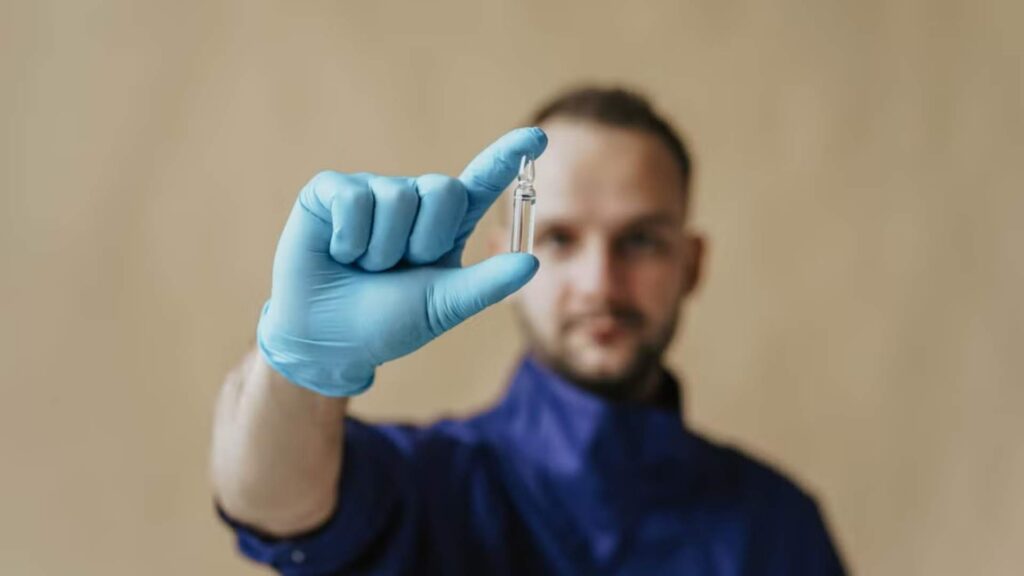
Ketamine infusions are administered slowly over approximately forty to sixty minutes while patients remain comfortably monitored by experienced medical professionals. During treatment, some individuals experience deep relaxation, emotional release, altered sensory perception, or mild dissociation. These effects are temporary and carefully supervised throughout the session.
Many patients complete an initial series of infusions over several weeks, with treatment recommendations adjusted according to symptom severity and individual response. Because trauma recovery is highly personal, every treatment plan is individualized rather than standardized.
Additional Mental Health Treatments Available at Psychiatric Pathways
While many individuals seek ketamine treatment for PTSD in Bloomington, Minnesota, Psychiatric Pathways also provides personalized ketamine infusion therapy for several other treatment resistant mental health conditions.
Our clinic offers ketamine treatment for depression, including individuals experiencing treatment resistant depression and severe emotional exhaustion that has not improved through traditional antidepressants alone. We also provide treatment support for anxiety disorders, OCD, bipolar disorder, postpartum depression, and suicidal ideation.
Many individuals living with PTSD also experience overlapping symptoms related to depression, panic disorders, intrusive thoughts, or emotional instability. Because mental health conditions often influence one another, our approach focuses on comprehensive and individualized psychiatric care that addresses the full emotional picture rather than isolated symptoms alone.
Why Patients Choose Psychiatric Pathways
Choosing the right mental health provider is especially important for individuals recovering from trauma because emotional safety and trust play a critical role in the healing process. At Psychiatric Pathways, we believe compassionate care begins with listening carefully, respecting each patient’s experience, and developing personalized treatment plans based on individual needs rather than generic protocols.
Our clinic provides ketamine infusion therapy in a calm and supportive environment where patients are treated with empathy, dignity, and genuine care throughout every stage of treatment. We understand that many individuals seeking trauma therapy already feel emotionally exhausted from years of struggling silently or trying treatments that did not provide enough relief.
Led by Brenna Christie, a dual board certified Family and Psychiatric Mental Health Nurse Practitioner, Psychiatric Pathways is committed to helping patients feel supported as they move toward emotional healing, stability, and long term recovery.
Frequently Asked Questions
How does ketamine therapy help the brain recover from PTSD?
Traditional trauma medications primarily mask surface symptoms, but ketamine works differently by targeting the brain’s glutamate system to promote neural repair. It helps build new neural pathways and improves communication in brain areas that have been locked into repetitive, fear-based survival modes by chronic trauma. This unique neurological mechanism allows individuals to safely regulate their nervous systems and respond to emotional triggers differently over time.
What should I expect to experience during a PTSD-focused ketamine session?
At Psychiatric Pathways, intravenous infusions are administered slowly over 40 to 60 minutes in a calm, emotionally safe, and medically supervised environment. During the treatment, you will remain fully awake and may experience deep relaxation, mild dissociation, or a therapeutic emotional release. These effects are entirely temporary, and our compassionate medical team continuously monitors you to ensure you feel secure, respected, and supported.
Can ketamine therapy make traditional trauma therapy or psychotherapy more effective?
Yes, many patients find that ketamine treatments make them significantly more emotionally receptive to ongoing trauma therapy and healthy coping strategies. PTSD often leaves individuals feeling too emotionally consumed or triggered to process their past effectively during standard counseling sessions. By lowering the immediate emotional intensity of traumatic memories, ketamine creates the mental space necessary to engage deeper in long-term healing.
How quickly can individuals with severe PTSD symptoms expect to feel emotional relief?
Unlike standard antidepressants that can take several weeks or months to produce noticeable changes, ketamine offers the potential for rapid symptom improvement. Many individuals report experiencing a greater sense of calm, lighter mood, and reduced hypervigilance within just hours or days following a session. This rapid relief is incredibly valuable for those exhausted from constantly living in a state of high alertness.