
Depression can become incredibly discouraging when treatment after treatment fails to provide meaningful relief. Many individuals spend years trying antidepressants, adjusting medications, attending therapy sessions, and making lifestyle changes only to continue struggling with the same emotional exhaustion, hopelessness, and lack of motivation. Over time, this ongoing cycle can make people feel emotionally defeated and uncertain about whether recovery is even possible.
For some individuals, depression does not respond the way traditional mental health treatments are expected to. Symptoms may improve temporarily before returning again, or medications may provide only minimal relief despite multiple attempts. This condition is commonly known as treatment resistant depression, and it affects far more people than many realize.
As awareness surrounding treatment resistant depression continues growing, more individuals are exploring ketamine for treatment-resistant depression in Bloomington, Minnesota as an alternative approach to mental health care. Ketamine therapy has gained significant attention because of its potential to help individuals experiencing severe depression through a different neurological pathway than traditional antidepressants.
At Psychiatric Pathways in Bloomington, Minnesota, we provide personalized ketamine infusion therapy in a compassionate and carefully monitored setting designed to support emotional healing, symptom relief, and long term mental wellness. Our approach focuses on helping patients who feel emotionally stuck rediscover hope and regain a sense of stability in their lives.
What Is Treatment Resistant Depression?
Treatment resistant depression generally refers to depression that has not significantly improved despite trying multiple standard treatments. In many cases, individuals are considered to have treatment resistant depression after trying at least two antidepressant medications at appropriate doses and durations without meaningful symptom improvement.
For people living with treatment resistant depression, the experience can become emotionally exhausting. Many patients begin treatment hopeful that medication or therapy will help them feel like themselves again, only to experience little improvement after weeks or months of effort. Some individuals cycle through numerous medications over several years while continuing to struggle with persistent sadness, emotional numbness, fatigue, hopelessness, anxiety, or difficulty functioning in daily life.
Treatment resistant depression is not a personal failure, and it does not mean someone is beyond help. Depression is a highly complex condition influenced by neurological, biological, emotional, environmental, and psychological factors. In some cases, the brain simply may not respond effectively to traditional antidepressants alone, which is why alternative treatment approaches such as ketamine therapy are becoming increasingly important in mental health care.

Signs and Symptoms of Treatment Resistant Depression
The symptoms of treatment resistant depression often look similar to major depressive disorder, but the defining factor is the persistence of symptoms despite ongoing treatment attempts. Individuals may continue experiencing emotional distress even after trying therapy, medications, or lifestyle changes for extended periods of time.
Common symptoms include persistent sadness, emotional numbness, low energy, hopelessness, irritability, lack of motivation, social withdrawal, sleep disturbances, changes in appetite, difficulty concentrating, and loss of interest in activities that once brought enjoyment. Many individuals also experience physical symptoms such as fatigue, headaches, muscle tension, or digestive discomfort associated with chronic emotional stress.
One important sign of treatment resistant depression is the repeated feeling that treatments only provide temporary or incomplete relief. Some individuals notice slight improvement initially before symptoms return again, while others feel no meaningful change at all despite trying multiple medications. Over time, this pattern can create frustration, emotional exhaustion, and hopelessness about the possibility of recovery.
Many people with treatment resistant depression also struggle with anxiety disorders, PTSD, OCD, bipolar depression, or suicidal ideation alongside their depressive symptoms. Because mental health conditions often overlap, comprehensive psychiatric evaluation is essential when developing an effective treatment plan.
How Is Treatment Resistant Depression Diagnosed?
Diagnosing treatment resistant depression involves more than simply identifying depressive symptoms. Mental health providers carefully evaluate treatment history, medication response, symptom severity, duration of symptoms, and the presence of co occurring psychiatric conditions that may be affecting emotional health.
A comprehensive psychiatric assessment may include reviewing previous antidepressant trials, therapy history, mood patterns, sleep habits, stress levels, medical history, and overall emotional functioning. Providers also evaluate whether medications were taken consistently and at therapeutic doses long enough to properly assess effectiveness.
In some cases, underlying conditions such as bipolar disorder, trauma related disorders, anxiety disorders, or OCD may contribute to persistent depressive symptoms. This is why individualized psychiatric care is so important when determining the most appropriate treatment approach.
At Psychiatric Pathways, we take the time to understand each patient’s mental health journey rather than simply focusing on symptoms alone. Our goal is to identify factors contributing to ongoing emotional distress while helping patients explore personalized treatment options that support long term healing.
What Is Ketamine Therapy?
Ketamine was originally developed as an anesthetic and has been safely used in medical settings for decades. Researchers later discovered that lower doses of ketamine may provide important mental health benefits, particularly for individuals experiencing severe depression and treatment resistant psychiatric conditions.
Unlike traditional antidepressants that mainly target serotonin, ketamine works on the brain’s glutamate system. Glutamate is a neurotransmitter involved in mood regulation, emotional processing, learning, memory, and neural communication. Researchers believe ketamine may help improve communication between brain cells while supporting the development of new neural connections affected by chronic stress and depression.
This different mechanism is one reason ketamine therapy has become increasingly valuable for individuals who have not responded well to standard antidepressants. Because ketamine targets the brain differently, some patients experience meaningful improvement even after years of unsuccessful treatment attempts.
At Psychiatric Pathways, ketamine is administered through intravenous infusions in a carefully monitored and supportive clinical environment. Every treatment plan is personalized according to the patient’s symptoms, mental health history, and treatment goals.
How Ketamine May Help Treatment Resistant Depression
Individuals seeking ketamine for treatment-resistant depression in Bloomington, Minnesota are often searching for relief after years of emotional struggle. Ketamine therapy may help reduce depressive symptoms by supporting emotional regulation, improving neural communication, and interrupting repetitive patterns of hopelessness and emotional numbness.
Many patients report feeling emotionally lighter, mentally clearer, and more hopeful after treatment. Some individuals notice improvements in motivation, emotional balance, energy levels, and overall quality of life. Others find that ketamine helps them become more emotionally engaged in therapy and better able to participate in everyday activities.
One reason ketamine therapy has gained so much attention is the possibility of more rapid symptom improvement compared to traditional antidepressants. While standard medications often require several weeks before noticeable changes occur, some individuals report improvements within a shorter timeframe following ketamine treatment.
Although ketamine is not considered a cure for depression, it may become an important part of a comprehensive mental health treatment plan for individuals struggling with persistent or treatment resistant symptoms.
The Ketamine Treatment Process at Psychiatric Pathways
At Psychiatric Pathways, we understand that many patients seeking ketamine therapy already feel emotionally exhausted from years of unsuccessful treatment attempts. Our goal is to create a supportive and welcoming environment where patients feel respected, heard, and comfortable throughout the treatment process.
The journey begins with a comprehensive psychiatric consultation where symptoms, treatment history, medications, and mental health goals are carefully reviewed. This evaluation helps determine whether ketamine therapy is an appropriate option for the patient’s needs.
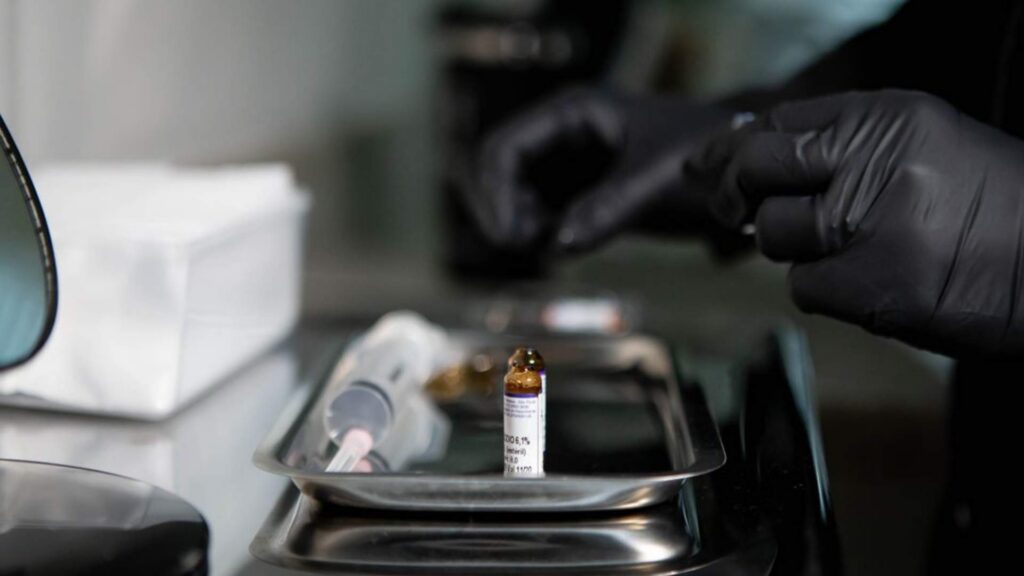
Ketamine infusions are administered slowly over approximately forty to sixty minutes in a calm and carefully monitored setting. During treatment, some patients experience deep relaxation, mild dissociation, altered sensory perception, or emotional release. These effects are temporary and are supervised throughout the session by experienced medical professionals.
Following treatment, many patients pursue an initial series of infusions over several weeks, with ongoing recommendations adjusted according to symptom severity and individual response. Because every patient’s mental health journey is unique, treatment plans are always personalized rather than standardized.
Additional Mental Health Treatments Available at Psychiatric Pathways
While many individuals seek ketamine for treatment-resistant depression in Bloomington, Minnesota, Psychiatric Pathways also provides personalized ketamine infusion therapy for several other complex mental health conditions.
Our clinic offers ketamine treatment for anxiety disorders, OCD, PTSD, bipolar disorder, postpartum depression, and suicidal ideation. Many individuals experiencing treatment resistant depression also struggle with overlapping symptoms related to trauma, anxiety, intrusive thoughts, or mood instability, making comprehensive psychiatric care especially important.
By offering individualized treatment planning for multiple mental health conditions, our team helps patients receive more personalized support tailored to their emotional needs and long term wellness goals.
Why Choose Psychiatric Pathways?
Choosing the right mental health provider can make a significant difference in the treatment experience, especially for individuals who already feel discouraged after multiple unsuccessful treatment attempts. At Psychiatric Pathways, we believe mental health care should feel compassionate, individualized, and focused on the whole person rather than symptoms alone.
Our clinic provides personalized ketamine infusion therapy in a calm and supportive environment where patients feel comfortable discussing their experiences openly. We prioritize thoughtful psychiatric evaluation, individualized treatment planning, patient education, and compassionate care throughout every stage of treatment.
Led by Brenna Christie, a dual board certified Family and Psychiatric Mental Health Nurse Practitioner, Psychiatric Pathways is committed to helping individuals feel supported as they work toward emotional healing and improved quality of life.
Frequently Asked Questions
What is treatment-resistant depression and how is it officially diagnosed?
Treatment-resistant depression describes severe depressive symptoms that fail to improve after trying standard treatments like therapy and lifestyle changes. Clinically, it is diagnosed when an individual has tried at least two different antidepressant medications at appropriate doses and durations without meaningful relief. A comprehensive evaluation by a specialist ensures that underlying complexities, such as trauma or overlapping mood disorders, are properly recognized and factored into your recovery plan.
How does ketamine therapy provide relief when traditional medications have failed?
Conventional antidepressants focus primarily on monoamine neurotransmitters like serotonin or norepinephrine, which can take several weeks or months to trigger noticeable improvements. Ketamine works entirely differently by targeting the brain’s glutamate system to rapidly improve cellular communication and promote the growth of new neural connections. This unique neurological mechanism repairs brain pathways disrupted by chronic stress and trauma, successfully breaking the cycle of deep emotional numbness.
What can a patient expect during a treatment session at Psychiatric Pathways?
At Psychiatric Pathways, your journey begins with a complimentary initial consultation to confirm that ketamine infusion therapy is safe and appropriate for your health history. The intravenous infusions are delivered slowly over 40 to 60 minutes in a calm, highly supportive, and medically monitored clinical space. While you will remain fully awake, you may experience brief, temporary sensations of deep relaxation, a floating feeling, or mild dissociation before returning to normal awareness.
How rapid is the relief from ketamine infusions compared to standard therapies?
One of the most valuable aspects of ketamine therapy is its potential to deliver rapid symptom improvement within hours or days rather than weeks. Patients frequently report feeling an immediate reduction in the heavy mental burden of hopelessness and a notable increase in everyday motivation shortly after a session. This fast-acting stabilization can also make individuals far more emotionally receptive to ongoing psychotherapy and long-term coping strategies.