
Overcoming dependence on prescription medicines takes care for both the brain and the mind. Whether you are using prescription opioids, benzos, or stimulants, recovery starts with medical support. At Psychiatric Pathways in Bloomington, MN, we provide psychiatric care for addiction that supports brain healing and treats co-occurring mental health conditions.
Led by dual board-certified Family and Psychiatric-Mental Health Nurse Practitioner Brenna Christie, FNP-C, PMHNP-BC, our practice blends medical skill with calm, patient-centered care. Our prescription drug addiction treatment in Minnesota combines close follow-up, medical support, and respect for your goals. We work with adults across the Twin Cities who are overcoming prescription drug addiction, helping restore nerve system balance and build a lasting plan for health. If you need psychiatric treatment for prescription drug addiction in Bloomington, MN our team can help.

Brain Changes & Prescription Dependency
Prescription drug addiction is a complex brain-based condition that can affect people from all backgrounds. Data from the Substance Abuse and Mental Health Services Administration (SAMHSA) shows that millions of Americans misuse prescription medicines each year. In Minnesota, public health reports show that prescription drug misuse especially involving prescription opioids, benzos, and central nerve system stimulants remains a major health problem and drives many emergency room visits.
Repeated exposure to prescription medicines changes the brain’s mesolimbic dopamine system and disrupts normal stress control:
- Prescription Opioids: Change pain receptors and natural endorphin output, causing tolerance and withdrawal.
- Benzodiazepines & Sedatives: Slow central nerve system activity, which can lead to rebound anxiety and insomnia when stopped too fast.
- Prescription Stimulants: Overdrive dopamine and norepinephrine pathways, which can cause severe mood crashes, anxiety, and physical fatigue after you stop.
Many people first take these medicines for real medical needs, such as chronic pain, sleep problems, or panic attacks. Over time, brain changes can lead to physical dependence. Specialized psychiatric care addresses these body-based changes directly and helps make withdrawal safer and more manageable.
Medical Evaluation & Co-Occurring Disorder Screening
Effective treatment for prescription drug addiction starts with finding the mental health drivers behind use. Conditions like long-term anxiety, trauma, and major depression often occur with substance use disorders.
During your first visit at our Bloomington practice, your evaluation includes:
- Substance & Medication Review: We review your current dose pattern, length of use, and signs of physical tolerance in a private setting.
- Dual-Diagnosis Screening: We look for psychiatric conditions such as untreated trauma or mood disorders that may lead to self-medicating. If you have mood concerns, our specialized psychiatry for depression or psychiatric treatment for PTSD services can address those root causes at the same time.
- Medical Risk Check: We do physical health screenings to review liver, kidney, and heart function, so medication care stays safe.
Targeted Drug Therapy for Addiction Recovery
Managing prescription drug dependence takes careful medical steps to lower withdrawal symptoms, cut cravings, and steady brain function. Through our dedicated medical services, we choose, adjust, and track evidence-based drug therapy based on your needs:
- Non-Addictive Mood Support: Using non-habit-forming meds to ease anxiety, mood swings, and sleep trouble during recovery.
- Craving Management Plans: Prescribing targeted meds to reduce physical cravings and normalize brain receptor activity.
- Co-Occurring Symptom Care: Treating depression, anxiety, or panic disorder directly so you do not need controlled substances for emotional relief.
We watch your progress closely and make changes as your brain heals and your natural brain chemical levels return.
Advanced Care for Complex Cases
Standard medical care and therapy help many people recover, but complex dependence cases with severe mental health issues may need advanced options. At Psychiatric Pathways, we provide advanced care for hard-to-treat conditions.
When standard care falls short, new advanced treatments can support recovery. Explore our ketamine treatment for prescription drug addiction page to learn how specialized IV ketamine therapy works on glutamate pathways to boost brain rewiring, ease severe depressive symptoms, and help break old brain patterns linked to addiction.
Combining primary psychiatric care with advanced options offers a full path toward long-term health.
Tailored Medical Care for Lasting Recovery
- Dual Board-Certified Practitioner: Brenna Christie, FNP-C, PMHNP-BC, uses training in family medicine and psychiatric care to review physical health markers and mental health together.
- Confidential, Non-Judgmental Setting: We focus on a safe clinical space where you can talk openly about your health struggles.
- Team-Based Approach: We work directly with your outpatient therapists, addiction counselors, and primary care doctors to keep care in sync.
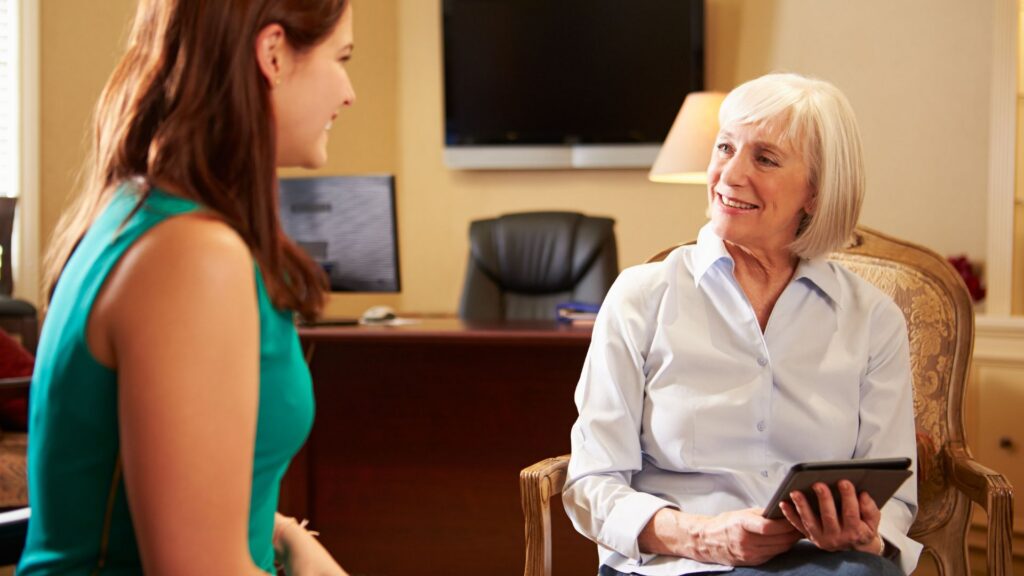
Frequently Asked Questions About Prescription Drug Addiction Care
Navigating treatment for prescription drug dependence requires clear, reliable answers. Below are direct responses to common questions about getting specialized psychiatric treatment.
When should I seek psychiatric treatment for prescription drug addiction?
You should seek psychiatric care if you have withdrawal symptoms, have trouble lowering your dose, or rely on prescription drugs to manage untreated anxiety, pain, or depression.
How does psychiatric care differ from standard addiction therapy?
Prescription drug addiction therapy focuses on behavior change and coping skills, while psychiatric care adds medical reviews, health checks, and prescription medicine management to treat mental health disorders and rebalance brain chemistry.
Why is it unsafe to stop taking prescription sedatives or opioids on my own?
Stopping drugs like benzos or high-dose opioids all at once can cause severe withdrawal symptoms, including dangerous blood pressure spikes, seizures, strong rebound anxiety, and acute distress. Medical oversight helps keep you safe during the change.
Can psychiatric treatment help if I started using prescription drugs for severe depression?
Yes. Self-medicating untreated depression with prescription drugs is common. By treating mood disorders directly through specialized care such as our psychiatric treatment for resistant depression we treat the root cause of reliance on controlled substances.
What if standard addiction care does not relieve my symptoms?
If standard care does not help, advanced options such as IV ketamine therapy can support brain recovery by targeting glutamate receptors to lower craving severity and manage co-occurring mental health challenges. Learn more on our ketamine treatment for prescription drug addiction page.