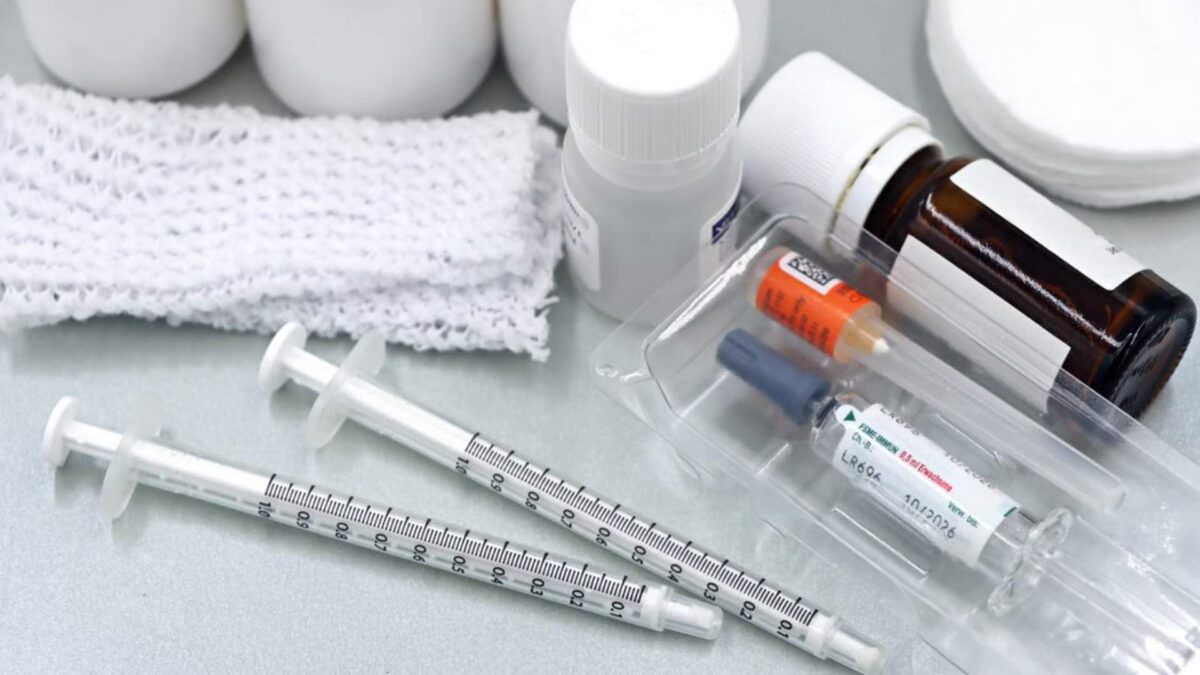
What Is Ketamine Therapy? A Beginner’s Guide

Ketamine therapy is an emerging treatment option for certain mental health conditions — most commonly treatment‑resistant depression — and, in some settings, severe suicidal ideation. Originally developed as an anesthetic in the 1960s, ketamine is now being used at much lower, sub‑anesthetic doses to target mood symptoms.

If you’re hearing about ketamine for the first time, here’s what you need to know.

1. What Is Ketamine?

Ketamine is a medication that works differently from traditional antidepressants.

Most standard antidepressants affect serotonin, norepinephrine, or dopamine and can take 4–8 weeks to show benefit. Ketamine acts primarily on the NMDA (N‑methyl‑D‑aspartate) receptor, part of the brain’s glutamate system, which is involved in mood regulation and neuroplasticity.

Because of this different mechanism, ketamine can sometimes produce improvement within hours to days, rather than weeks.

2. What Conditions Is Ketamine Used For?

Ketamine therapy is most commonly used for:

  • Treatment‑resistant depression (depression that has not improved after multiple medication trials)
  • Major depression with suicidal thoughts (short‑term symptom reduction)
  • Some anxiety and trauma‑related conditions (in select cases)

In the United States, intranasal esketamine (Spravato) is FDA‑approved for treatment‑resistant depression and for depression with acute suicidal ideation. Intravenous ketamine is often used off‑label in psychiatric settings.

Ketamine is generally considered after standard treatments have not worked, not as a first‑line therapy.
3. How Does Ketamine Therapy Work?

Researchers believe ketamine:

  • Enhances glutamate signaling
  • Promotes synaptic growth and neuroplasticity
  • Rapidly interrupts depressive circuitry

In clinical studies, many patients experience:

  • Reduced depressive symptoms within 24 hours
  • Improvement in suicidal thoughts within hours
  • Benefit lasting 1–2 weeks after a single dose

Because effects can fade, treatment is often delivered in a series (commonly 6–8 sessions over several weeks), followed by individualized maintenance.

4. What Is a Typical Treatment Like?

While protocols vary, a common intravenous ketamine approach includes:

  • Dose: 0.5 mg/kg
  • Infused over 40-60 minutes
  • Monitoring of blood pressure, pulse, and oxygen levels
  • Observation for approximately 1–2 hours total

Esketamine (intranasal) is self‑administered in clinic under supervision and requires monitoring for at least 2 hours due to FDA safety requirements.

Patients typically:

  • Remain awake
  • May experience dissociation (a dream‑like or floating sensation)
  • Cannot drive the same day
  • Need a ride home

5. Is Ketamine Safe?

At sub‑anesthetic psychiatric doses and in medically screened patients, ketamine is generally well tolerated.

Common short‑term side effects include:

  • Temporary increase in blood pressure
  • Nausea
  • Dizziness
  • Dissociation or perceptual changes
  • Fatigue afterward

Serious medical adverse events are rare in screened populations. Most psychiatric protocols exclude patients with:

  • Uncontrolled cardiovascular disease
  • Active psychosis
  • Pregnancy
  • Severe liver disease

Because ketamine has abuse potential at high or repeated recreational doses, treatment should occur in a structured medical setting with monitoring.

6. How Effective Is It?

Response rates vary, but in large pooled analyses:

  • Up to 79% of patients respond to IV ketamine
  • Degrees of improvement can vary widely among patients
  • Some individuals respond rapidly; others do not

Currently, there are no reliable predictors of who will respond. Many clinicians use a brief trial (1–3 infusions) to assess early benefit.

Ketamine is not a cure. It is best viewed as a tool within a broader treatment plan, often combined with ongoing medication management and psychotherapy.

7. Is Ketamine the Same as “Ketamine-Assisted Psychotherapy”?

Not necessarily.

Ketamine can be administered:

  • As a medical infusion alone
  • Alongside structured psychotherapy before, during, or after sessions

Research into ketamine‑assisted psychotherapy is ongoing. While early findings are promising, there is no single standardized protocol yet.

8. Who Might Consider Ketamine Therapy?

You may consider discussing ketamine therapy if you:

  • Have major depression that has not improved with at least two medications
  • Cannot tolerate traditional antidepressants
  • Have persistent suicidal thoughts requiring rapid intervention
  • Have exhausted other evidence‑based options

Ketamine is generally not recommended as a first treatment for newly diagnosed depression.

9. What Are the Limitations?

Important considerations include:

  • Effects may be temporary
  • Maintenance treatments may be required
  • Insurance rarely covers treatments
  • Long‑term safety data are still evolving
  • Not all patients respond

Ketamine should be delivered in a clinic with:

  • Psychiatric oversight
  • Medical monitoring
  • Clear screening protocols
  • A structured follow‑up plan

Final Thoughts

Ketamine therapy represents one of the most significant advances in depression treatment in decades because of its rapid onset of action. For patients who have struggled for years without relief, it can offer meaningful improvement — sometimes quickly.

However, it is not a miracle cure and works best when integrated into comprehensive psychiatric care.

If you’re exploring treatment options for difficult‑to‑treat depression, ketamine may be worth learning more about — especially if traditional approaches have not provided adequate relief.
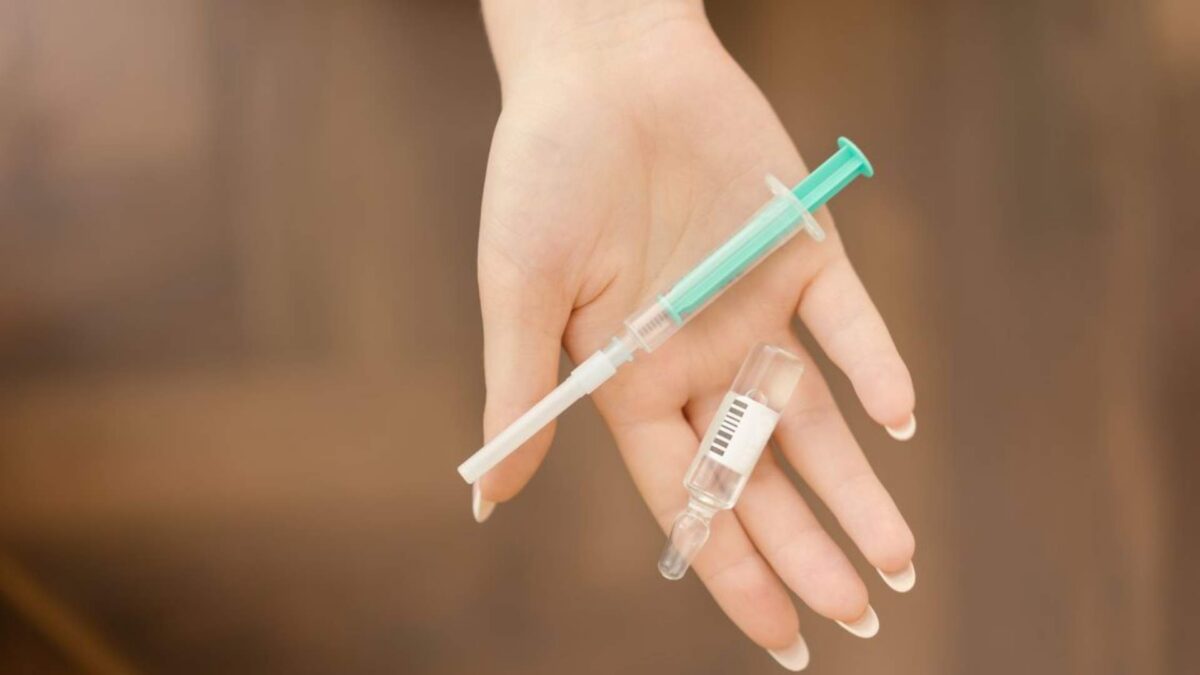
Isn’t Ketamine a Party Drug? Understanding Medical vs. Recreational Use

When patients hear the word ketamine, many think of nightclubs, “Special K,” or headlines about overdose. So it’s a fair question: Isn’t ketamine a party drug?

The short answer: It can be used recreationally—but it is also a long-established, FDA-approved medication with legitimate and growing roles in medicine. The difference lies in dose, setting, monitoring, and intent.

Let’s break that down.

Ketamine’s Medical Roots

Ketamine was developed in the 1960s as a safer alternative to older anesthetics. It remains:

  • An FDA-approved anesthetic (IV or IM)
  • Widely used in emergency medicine and trauma care
  • Used in acute and chronic pain management
  • Approved in its intranasal form (esketamine) for treatment-resistant depression

One of ketamine’s most important medical advantages is that, unlike many sedatives, it tends to preserve airway reflexes and cardiovascular stability at anesthetic doses. In controlled settings, it is administered by trained clinicians with monitoring of vital signs and mental status.

In psychiatry, subanesthetic doses have demonstrated rapid antidepressant effects, sometimes within hours—particularly in patients who have not responded to traditional antidepressants.

Medical ketamine is:

  • Precisely dosed
  • Administered in a controlled environment
  • Screened for contraindications
  • Monitored for side effects
  • Integrated into a broader treatment plan

That’s very different from recreational use.

What Happens in Recreational Use?

Recreational ketamine use typically occurs in party, club, or festival settings. It may be snorted, swallowed, or injected—often in unknown doses and frequently combined with other substances.

Desired effects may include:

  • Euphoria
  • Dissociation
  • Altered sensory perception
  • Hallucinations

At higher doses, users may experience the so-called “K-hole,” a profound dissociative state that can be frightening or medically risky.

Recreational use carries increased risk because:

  • Dosing is unpredictable
  • Purity is uncertain
  • Polysubstance use is common (especially with alcohol, benzodiazepines, opioids, stimulants, or GHB)
  • No medical monitoring is present

Most ketamine-related fatalities involve multiple substances, not ketamine alone. The risk increases significantly when combined with other sedating or respiratory-depressing agents.

Chronic heavy use has been associated with:

  • Cognitive impairment
  • Dependence
  • Severe bladder injury (ketamine-induced cystitis)
  • Liver and biliary complications

These complications are primarily reported in frequent, high-dose recreational users, not in medically supervised patients receiving intermittent therapeutic dosing.

Is Ketamine Addictive?

Ketamine does have misuse potential, particularly in unsupervised or high-frequency use.

However, in clinical settings:

  • Dosing is intermittent
  • Exposure is controlled
  • Patients are screened for substance use disorders
  • Monitoring reduces misuse risk

While dependence can occur with heavy recreational use, evidence suggests that medically supervised administration at therapeutic intervals carries substantially lower risk than uncontrolled use.

That said, caution is appropriate—especially in patients with active substance use disorders.


Why the Confusion?

Many medications have both medical and recreational histories.

  • Opioids are essential for surgical and cancer pain—but are also misused.
  • Benzodiazepines treat anxiety—but are also abused.
  • Stimulants treat ADHD—but are diverted recreationally.

Ketamine falls into this same category: a legitimate medication with misuse potential outside medical supervision.

The fact that a drug can be misused does not negate its therapeutic value. The key variables are context, dose, oversight, and clinical intent.

The Bottom Line

Ketamine is:

  • A long-standing anesthetic
  • An evidence-based treatment for certain psychiatric and pain conditions
  • A medication that requires careful patient selection and monitoring
  • A substance that can be misused in recreational environments

So, is ketamine a party drug?

It can be. But in medicine, it is something very different: a carefully administered therapeutic tool used with intention, structure, and safety protocols.

Understanding that distinction helps reduce stigma—and allows for informed, evidence-based conversations about its appropriate use.

Where Can I Find Affordable Ketamine Infusion Services for Depression in the Minneapolis Area Without Sacrificing Quality?

If you’ve been struggling with depression despite trying multiple medications, you’re not alone. As a board-certified Family and Psychiatric-Mental Health Nurse Practitioner specializing in treatment-resistant depression, I’ve worked with many individuals who felt discouraged after traditional antidepressants failed to provide meaningful relief.

Since becoming a ketamine provider in 2022, I’ve witnessed firsthand how ketamine therapy can help people emerge from some of the darkest periods of their lives. While ketamine is not a cure for depression and certainly isn’t a miracle treatment, it has the potential to provide rapid symptom relief for many individuals with treatment-resistant depression and help them regain hope when other treatments have fallen short.

One of the most common questions I hear is:

“Where can I find affordable ketamine infusion services for depression?”

The answer isn’t always straightforward. Cost matters, but choosing a ketamine provider based solely on price can be a costly mistake in the long run.

Understanding the Cost of Ketamine Treatment

Unfortunately, IV ketamine infusions for depression are generally not covered by insurance. As a result, patients often find themselves comparing prices between clinics.

In the Minneapolis-St. Paul metro area, ketamine infusion prices commonly range from $450 to $700 per session, depending on the clinic, provider credentials, and services included.

When evaluating costs, it’s important to understand exactly what you’re paying for. Some clinics charge additional fees for consultations, monitoring, follow-up appointments, or medication management. Others offer bundled pricing or package discounts.

At Psychiatric Pathways, we believe transparency matters. We offer IV ketamine infusions at a flat fee of $395 per infusion, making treatment more accessible for individuals and families seeking alternatives after unsuccessful antidepressant trials. Learn more about our services here.

Don’t Focus on Price Alone

Affordable treatment is important, but affordability should never come at the expense of quality care.

When researching ketamine providers in Bloomington, Edina, Minneapolis, Saint Paul, Minnetonka, and surrounding communities, I encourage patients to ask several important questions:

  • Who will be managing my treatment?
  • Does the provider have specialized psychiatric training?
  • Will I receive a comprehensive psychiatric evaluation?
  • Is medication management available if needed?
  • What safety protocols are in place during infusions?
  • Will my provider collaborate with my therapist, primary care provider, or psychiatrist?
  • Is there a long-term treatment plan beyond the infusion itself?

Ketamine therapy is most effective when it’s part of a comprehensive mental health strategy rather than a stand-alone service.

What Qualifications Should a Ketamine Provider Have?

Many patients are surprised to learn that ketamine clinics vary significantly in terms of provider training and mental health expertise.

Ideally, your ketamine provider should have experience in:

  • Psychiatric assessment and diagnosis
  • Treatment-resistant depression management
  • Psychopharmacology
  • Psychiatric medication management
  • Intravenous sedation administration
  • Ongoing mental health treatment planning

Equally important is a provider’s willingness to coordinate care with other members of your healthcare team. Depression treatment often works best when therapists, primary care providers, psychiatric providers, and ketamine specialists collaborate to support the patient’s overall recovery.

What About Spravato?

For some patients, affordability may improve through insurance coverage.

Spravato (esketamine nasal spray) is an FDA-approved treatment for certain forms of treatment-resistant depression and depressive symptoms associated with major depressive disorder. Unlike IV ketamine, Spravato is frequently covered by insurance plans, making it a more affordable option for eligible patients. For more information on IV ketamine versus intranasal esketamine, our FAQ page has some helpful information.

Because coverage varies, patients should verify benefits with their insurance carrier and discuss eligibility with a qualified provider.

At Psychiatric Pathways, we offer both IV ketamine therapy and Spravato treatment, allowing patients to explore the option that best fits their clinical needs and financial situation.

What Real Patients Say

Many people feel nervous when first exploring ketamine therapy. That’s completely understandable.

One patient shared:

“I was honestly a little unsure what to expect at first, but Psychiatric Pathways is nothing like the stereotypes people sometimes have about certain treatments. It’s a calm, professional, really well-run environment. They take their time, explain things in a way that actually makes sense, and you never feel pushed into anything.”

Another patient wrote:

“I highly recommend this provider. She is a kind and compassionate professional who truly puts her patients first. Her genuine care and strong focus on positive outcomes make her an outstanding provider.”

A third patient shared:

“Brenna is one of the kindest people I’ve ever met and is so amazing to work with. I highly recommend coming here if you want to try something different to help with your mental health.”

While every patient’s experience is unique, these comments reflect the type of supportive, patient-centered care that should be present at any ketamine clinic you consider.

How to Find Affordable Ketamine Treatment Near Minneapolis

If you’re searching for ketamine treatment in Bloomington, Edina, Minneapolis, Saint Paul, Minnetonka, or nearby communities, consider the following steps:

  1. Compare total treatment costs, not just advertised prices.
  2. Ask about consultation fees and follow-up costs.
  3. Explore whether Spravato may be covered by your insurance.
  4. Verify provider credentials and psychiatric expertise.
  5. Look for clinics that offer comprehensive mental health support.
  6. Read patient reviews and testimonials.
  7. Schedule a consultation before committing to treatment.

Final Thoughts

Treatment-resistant depression can leave people feeling hopeless, especially after trying multiple medications without success. While ketamine therapy is not appropriate for everyone, it has become an important option for many patients who have not responded to conventional treatments.

My advice is simple: look for a provider who combines affordability, transparency, psychiatric expertise, and a genuine commitment to your long-term mental health.

The right clinic won’t simply administer ketamine. They’ll partner with you on your journey toward recovery.

If you’re exploring ketamine or Spravato treatment options in the Minneapolis metro area, consider scheduling a consultation to discuss your goals, treatment history, and whether these therapies may be appropriate for your situation. Call us or contact us to learn more; we are here to help.

How Ketamine Works in the Brain for Depression

How Does Ketamine Work in the Brain for Depression?

For decades, most antidepressant medications have focused on the same group of neurotransmitters: serotonin, norepinephrine, and dopamine. While these medications help many people, they do not work for everyone. In fact, some individuals continue to struggle with depression despite trying multiple antidepressants, attending therapy, and making lifestyle changes.

This is one reason ketamine has generated so much interest in the mental health community. Ketamine works differently than traditional antidepressants, offering a new approach for people who have not found relief with conventional treatments.

As a psychiatric provider who has incorporated ketamine into treatment plans since 2022, I continue to be amazed by how quickly and effectively ketamine can relieve depressive symptoms in appropriate patients. Understanding how it works can help people make informed decisions about whether ketamine may be a suitable option as part of a comprehensive mental health treatment plan.

Counsellor explaining How Ketamine Works in the Brain for Depression

Ketamine Targets a Different Neurotransmitter System

Most antidepressants work by affecting serotonin, norepinephrine, or dopamine. Ketamine works on an entirely different neurotransmitter system: glutamate.

Glutamate is the brain’s primary excitatory neurotransmitter. In simple terms, it helps activate communication between brain cells. Researchers believe that depression can disrupt healthy communication within certain brain networks, contributing to symptoms such as low mood, hopelessness, lack of motivation, and difficulty experiencing pleasure.

Ketamine appears to stimulate glutamate activity in ways that may help restore communication within these networks. Rather than simply increasing levels of a neurotransmitter, ketamine may help the brain become more adaptable and responsive.

For patients who have not responded to traditional antidepressants, this different mechanism of action is especially important. Just because SSRIs or SNRIs have not worked does not necessarily mean ketamine will not work.

Why Ketamine Can Work When SSRIs Fail

One of the most common questions I hear is:

“If antidepressants didn’t work for me, why would ketamine be any different?”

The answer is that ketamine is fundamentally different.

Traditional antidepressants primarily influence serotonin and related neurotransmitter systems. Ketamine works through glutamate pathways that affect brain connectivity and adaptability in unique ways.

This means that someone who has tried multiple antidepressants without success may still respond well to ketamine therapy. In clinical practice, I have seen patients who felt discouraged after years of unsuccessful treatment finally experience meaningful improvement after beginning ketamine treatment.

That does not mean ketamine is appropriate for everyone. In most cases, ketamine is considered after an individual has already tried at least two antidepressants without adequate improvement. Psychotherapy also remains a first-line treatment and an essential component of long-term recovery.

Understanding Neuroplasticity in Plain Language

One of the most exciting concepts associated with ketamine treatment is neuroplasticity.

Neuroplasticity refers to the brain’s ability to change, adapt, and form new patterns over time. This means our brains are not permanently stuck in unhealthy mood patterns.

Research suggests that ketamine may help promote conditions that support neuroplasticity. While scientists continue to study the exact mechanisms, many experts believe ketamine may help the brain become more flexible and capable of developing healthier pathways.

I often explain this concept to patients by comparing ketamine to jump-starting a car.

If a car battery is dead, it may not have enough energy to start on its own. A jump-start does not permanently solve every problem with the vehicle, but it can provide the boost needed to get moving again.

Similarly, ketamine may help people experience enough relief from depression that they can begin engaging in healthy behaviors that support long-term mental wellness.

These may include:

  • Participating more effectively in therapy
  • Improving sleep habits
  • Exercising consistently
  • Making healthier nutrition choices
  • Reconnecting with relationships and meaningful activities
  • Following through with medication and treatment plans

In many cases, these changes become important building blocks for lasting recovery.

Rapid Effects vs. Long-Term Changes

One of the characteristics that makes ketamine unique is how quickly some people experience improvement.

The Rapid Effects

During a ketamine treatment, many patients report feeling relaxed and comfortable. Some individuals begin noticing changes in mood, energy, motivation, or hopefulness much sooner than they would with a traditional antidepressant.

This can be particularly meaningful for people who have spent months or years struggling with severe depression.

The Longer-Term Effects

The immediate effects of ketamine itself are relatively short-lived. However, researchers believe that important changes within the brain may continue after treatment.

This is where neuroplasticity becomes important.

The goal is not simply temporary symptom relief. The larger objective is helping create conditions that allow the brain to develop healthier patterns while patients engage in other important aspects of treatment such as therapy, lifestyle modifications, and ongoing psychiatric care.

What Patients Have Experienced

One patient shared:

“I tried many different meds and this treatment has worked the best! Brenna is outstanding to work with. She truly cares about your well being.”

Another patient described finding improvement after other approaches had not been effective:

“The treatment I received helped me tremendously in working through some issues. Other methods I had tried didn’t seem to be very effective.”

Beyond symptom improvement, patients frequently tell me they appreciate feeling heard, supported, and understood throughout the treatment process.

A common experience I have observed in practice involves patients who have struggled with depression for years and have already tried multiple medications. After beginning ketamine treatment, some report feeling more motivated to get out of bed, engage in therapy, reconnect with loved ones, or participate in activities they once enjoyed. While every patient’s journey is different, these early shifts often create momentum for broader healing and recovery.

Ketamine Is Part of a Comprehensive Treatment Plan

One of the most important things I want patients to understand is that ketamine is not a stand-alone cure for depression.

At our psychiatry-led practice, ketamine is viewed as one piece of a larger treatment strategy. We take a holistic approach, providing comprehensive care that may include:

  • Comprehensive psychiatric evaluation
  • Ongoing medication management
  • Psychotherapy
  • Sleep optimization
  • Nutrition counseling
  • Exercise and lifestyle recommendations
  • Regular follow-up and monitoring

This integrated approach helps ensure that patients receive individualized care that addresses both symptoms and underlying contributors to mental health challenges.

Final Thoughts

Depression is a complex condition, and no single treatment works for everyone. However, ketamine offers a promising alternative for individuals who have not found relief through traditional antidepressants alone.

By targeting glutamate instead of serotonin, ketamine works through a different pathway than SSRIs and SNRIs. Research suggests it may support neuroplasticity, helping the brain become more adaptable and responsive. For many patients, this can provide an opportunity to break out of long-standing depressive patterns and engage more fully in the behaviors and treatments that support long-term wellness.

If you have tried multiple antidepressants without success, it is important to know that you are not out of options. A thorough psychiatric evaluation can help determine whether ketamine may be an appropriate part of your treatment plan and recovery journey.